Abney Park garden maintenance checklist Stoke Newington
If you live near Abney Park, you already know the gardens around Stoke Newington have a particular rhythm to them. One week everything looks crisp and tidy; the next, wet leaves, fast-growing borders, and a slightly wild hedge seem to appear overnight. That is exactly why an Abney Park garden maintenance checklist Stoke Newington is so useful: it turns vague intentions into a clear, workable routine that keeps outdoor spaces healthy, safe, and genuinely pleasant to use.
Whether you are looking after a family garden, a shared space, or a property close to the park, a good checklist saves time and stress. It helps you spot small problems before they become messy ones. And to be fair, that is half the battle with garden upkeep in London. In this guide, you will find a practical step-by-step approach, local considerations, common mistakes, and a proper checklist you can actually use.
For readers who want broader support with ongoing outdoor care, it can also help to look at garden maintenance services in Stoke Newington and the wider services overview for context on what a professional maintenance plan may include.
Contents
- Why this checklist matters
- How the checklist works in practice
- Key benefits and practical advantages
- Who this is for and when it makes sense
- Step-by-step guidance
- Expert tips for better results
- Common mistakes to avoid
- Tools, resources and recommendations
- Law, compliance, standards and best practice
- Options, methods and comparison table
- Case study or real-world example
- Practical checklist
- Conclusion
- Frequently asked questions
Why Abney Park garden maintenance checklist Stoke Newington Matters
Abney Park and the surrounding streets are a good reminder that gardens do not stay still for long. London weather, shade from mature trees, compact soil, and seasonal leaf drop all push a garden in different directions. Without a routine, a neat space can drift into a cluttered one surprisingly quickly.
This matters for three simple reasons. First, a maintained garden is safer. Slippery paths, blocked drainage, overhanging branches, and concealed debris can all create avoidable risks. Second, it is healthier for planting. A border left unchecked for too long tends to become crowded, starved, or patchy. Third, it looks better and feels calmer. You notice it as soon as you step outside: a clipped edge, clear path, and tidy lawn changes the whole mood of the place.
There is also a practical local point. Abney Park sits in an area where many gardens are compact, enclosed, and shaped by neighbouring trees or boundary walls. That means small maintenance issues can spread more quickly than you might expect. A few fallen leaves are no big deal. Leave them long enough, and they become a slick mat over paving or a damp shelter for weeds. Happens all the time, honestly.
Expert summary: A good garden maintenance checklist is not about making every space perfect. It is about keeping the garden healthy, safe, and manageable through regular, repeatable tasks that fit real life.
How Abney Park garden maintenance checklist Stoke Newington Works
The idea is simple. Break maintenance into repeatable tasks by frequency and area, then work through them in the same order each time. That gives you a consistent routine instead of a series of random fixes.
A strong checklist usually covers five layers of care:
- Surface tidiness such as sweeping paths, removing litter, and clearing leaves
- Plant health including watering, feeding, deadheading, and checking for disease
- Structural control such as hedge trimming, pruning, and boundary checks
- Ground care like mowing, edging, aerating, and weeding
- Safety and access including checking lighting, trip hazards, drainage, and tool storage
In practice, you can run the checklist weekly, fortnightly, monthly, and seasonally. That rhythm keeps the work realistic. No one wants to spend a whole Saturday wrestling with a garden that could have been managed in 20-minute bursts. The trick is consistency, not intensity.
If your garden includes larger shrubs, hedging, or mature trees, it may also be sensible to combine general upkeep with specialist support such as hedge trimming or tree lopping and removal where needed. That keeps the core checklist focused while still handling the jobs that need a steadier hand.
Key Benefits and Practical Advantages
A checklist sounds a little dry at first glance, but the benefits are real and immediate. You see them in the garden, and you feel them in the amount of time you stop wasting.
- Less catch-up work - smaller jobs stay small.
- Better plant performance - regular care supports growth, flowering, and recovery.
- Lower risk of damage - overgrowth, rot, pests, and trip hazards are easier to catch early.
- Cleaner visual finish - the whole space looks more intentional.
- More usable outdoor space - the garden becomes somewhere you actually want to sit in.
- Clearer budgeting - routine tasks are easier to plan than emergency fixes.
One advantage people often miss is how much a checklist helps you decide what to leave alone. Not every plant needs attention every week. Some shrubs are happier with light, timed maintenance. Some borders do best if you stop fussing with them. A checklist stops overhandling, which, in gardens, can be just as damaging as neglect.
If you are comparing ongoing maintenance with a one-off tidy-up, it may help to review garden clearance support as well. Clearance handles the reset. Maintenance keeps it from becoming necessary again so soon. Different jobs. Both useful.
Who This Is For and When It Makes Sense
This checklist is for anyone managing an outdoor space near Abney Park or anywhere else in Stoke Newington where the weather, shade, and foot traffic make upkeep a regular task. That includes homeowners, landlords, tenants with garden responsibilities, and property managers.
It also makes sense if your garden has one or more of these traits:
- mature trees dropping frequent leaves or debris
- hedges that grow fast and lose shape quickly
- small lawns that get waterlogged or patchy
- shaded borders with moss or stubborn weeds
- shared access paths or front gardens visible from the street
- decking, paving, or steps that need safety checks
For some properties, a formal routine is enough. For others, especially those with more demanding layouts, it makes sense to mix your checklist with professional help from services like lawn mowing or decking services where surfaces and structure need a little more than a quick tidy.
It is especially helpful after seasonal changes. Spring growth can be relentless. Autumn leaf fall can feel endless. And winter? Well, winter has its own way of exposing every forgotten corner of the garden. That is just London for you.
Step-by-Step Guidance
Here is a practical way to use the Abney Park garden maintenance checklist without turning it into a chore you avoid for weeks.
1. Start with a quick walk-through
Before touching anything, walk the whole garden. Look for waste, damaged branches, slippery paths, overflowing beds, broken edging, and anything that has changed since the last visit. A slow look often saves a lot of backtracking later.
2. Clear obvious debris first
Remove fallen leaves, twigs, litter, spent plant material, and anything blocking the main access routes. Start with the pathways and working areas because that immediately improves safety and makes the rest of the job easier.
3. Check watering needs
Feel the soil rather than guessing. If the top layer is dry but the deeper soil still holds moisture, you may not need to water yet. In cooler months, overwatering is an easy mistake. In warmer spells, containers and newly planted borders can dry out fast.
4. Tidy lawn edges and mow if needed
A lawn often looks ten times better after a neat edge is cut back. If the grass is actively growing, mow at the right height rather than taking too much off in one go. That keeps it healthier and less stressed. If the lawn is compact, patchy, or shaded, go gently.
5. Weed before they set seed
Weeds are simplest to handle when they are small. Pull them from beds, cracks, and borders before they become established. You do not need to wage war on every single one. Just stay ahead of the obvious outbreaks.
6. Trim and shape where growth is untidy
Hedges, shrubs, and climbers benefit from regular shaping. Keep an eye on anything that blocks light, spills onto paths, or creates an uneven outline. For more involved hedge work, hedge trimming is often the right next step.
7. Deadhead and remove damaged growth
Deadheading spent flowers encourages continued flowering in many plants and keeps beds looking fresher. Remove damaged stems, yellowing leaves, and broken growth. If a plant is badly affected, cut back carefully and reassess later rather than hacking at it in one go.
8. Inspect hard surfaces and structures
Check paving, steps, decking, fences, and raised edges for movement, rot, moss, or loose sections. Small surface problems are easy to ignore until someone slips. That is usually the point where everyone suddenly notices them.
9. Finish with a final sweep and reset
Bag up green waste, return tools, close storage properly, and give the area a final tidy. A clean finish matters. It helps the space feel settled rather than half-done.
Expert Tips for Better Results
Good maintenance is mostly about timing and restraint. A few small habits make the whole thing easier.
- Work from the outside in. Paths, edges, and boundaries frame the garden, so tidy them first.
- Use the weather to your advantage. Slightly damp soil makes weeding easier; dry conditions are better for sweeping and clipping.
- Do not overcut. This applies to grass, hedges, and shrubs. Too much at once can leave the plant looking shocked for weeks.
- Keep a repeat pattern. Same day, same order, same checklist. It sounds simple, and it works.
- Separate cosmetic jobs from structural ones. A tidy border is not the same as a safe fence or a healthy tree.
One small but useful habit: keep a note of recurring issues. If the same corner collects leaves every autumn morning, or the same patch of lawn dries out by July, you can plan around it rather than being surprised every year. That kind of local memory matters more than people think.
For larger outdoor redesigns or recurring layout problems, it may be worth exploring landscape gardening or broader landscaping support. Sometimes the best maintenance fix is a better layout. Simple as that.
Common Mistakes to Avoid
Most garden problems do not arrive in dramatic fashion. They creep in through habits that seem harmless at the time.
- Leaving leaf build-up too long - it can damage grass, block drains, and make paths slippery.
- Cutting hedges at the wrong time or too hard - this can spoil shape and stress growth.
- Ignoring the base of shrubs and fences - weeds and damp often start low down, out of sight.
- Using the same routine all year - a summer checklist will not suit winter conditions.
- Forgetting hard surfaces - decking, steps, and paving need as much attention as the beds.
- Trying to do everything at once - fatigue leads to rushed work, and rushed work tends to create more work.
There is also a very human mistake: getting motivated after a sunny day in April, doing everything in one burst, then ignoring the garden for six weeks because you are exhausted. We have all seen it. A better plan is smaller, steadier, and much kinder to your weekends.
Tools, Resources and Recommendations
You do not need a huge toolkit to keep on top of a typical Stoke Newington garden. A few sensible tools cover most regular jobs.
| Task | Useful tools | Notes |
|---|---|---|
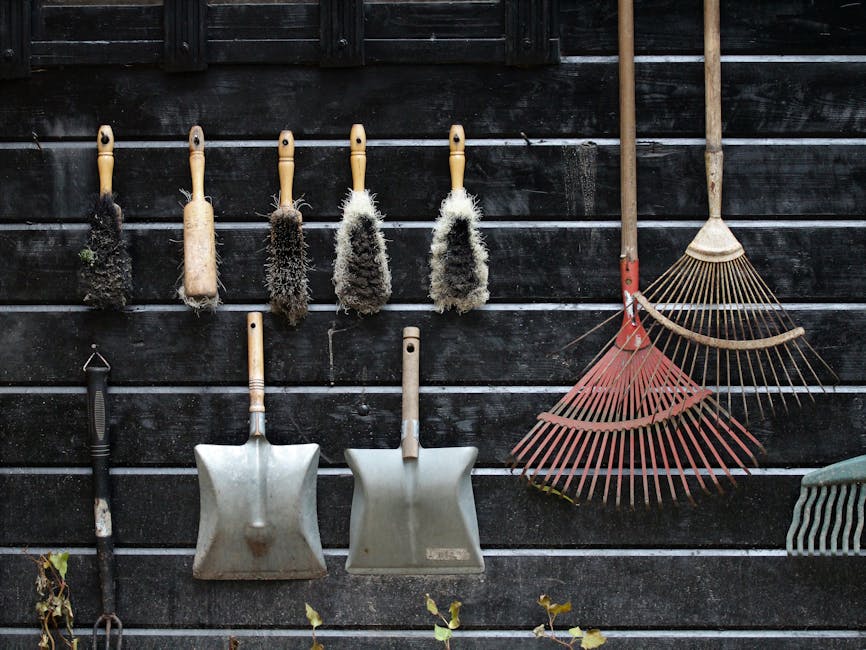
| Leaf and debris removal | Rake, broom, garden waste bags | Best for paths, lawns, and tight corners |
| Weeding | Hand fork, hoe, gloves | Use when soil is slightly moist for easier removal |
| Mowing | Lawn mower, edging shears | Cut little and often during growth periods |
| Hedge trimming | Shears, secateurs, long-reach trimmer | Take care around birds, nesting, and hidden cables |
| Pruning | Secateurs, loppers, pruning saw | Keep blades sharp for cleaner cuts |
| Surface checks | Good lighting, eye protection, gloves | Look for loose boards, algae, or trip hazards |
For routine upkeep, many people prefer a service-led approach rather than collecting every possible tool. That is often the sensible route if space is limited. If you want a wider view of maintenance options, the services overview is a useful place to compare what different garden tasks involve. And if budgeting matters, it is worth reviewing pricing and quotes before you commit to a schedule.
Law, Compliance, Standards, or Best Practice
For most garden owners, compliance is less about paperwork and more about behaving responsibly. Still, there are a few best-practice points worth keeping in mind.
First, trees and larger shrubs should be managed carefully. If a tree is close to a boundary, road, public path, or structure, overconfident cutting can create avoidable risk. In those cases, specialist advice is usually the safer route. Second, garden waste should be handled responsibly. Avoid leaving bags out for too long, and follow normal local waste and recycling expectations as you would for any household or property management task.
Health and safety also matters in a practical, everyday way. Use stable ladders only when needed, wear gloves when handling thorny or unknown plant material, and avoid working on slippery decking or paving until it is safe. If a job looks awkward, heavy, or unclear, stop and reassess. That is not being cautious for the sake of it. It is being sensible.
If you are hiring help, it is reasonable to ask whether the work is covered by appropriate insurance, how the team manages safety, and whether their approach matches your expectations. That is just standard due diligence. You would do the same for any trade work, and gardening should be no different. For extra peace of mind, you can also review the company's insurance and safety information and health and safety policy.
Options, Methods, or Comparison Table
Different gardens need different levels of attention. Here is a simple comparison that helps you decide what makes sense.
| Approach | Best for | Pros | Limitations |
|---|---|---|---|
| DIY checklist only | Small, manageable gardens | Low cost, flexible, good for light upkeep | Can become inconsistent if you are busy |
| DIY plus occasional specialist help | Medium gardens with hedges, trees, or decking | Balanced cost and control | Needs planning and a realistic schedule |
| Regular professional maintenance | Busy households, landlords, and larger or more demanding gardens | Consistent results, less stress, better seasonal cover | Higher ongoing spend |
| One-off clearance then routine care | Overgrown gardens starting from scratch | Fast reset, easier to maintain afterwards | Does not solve long-term upkeep alone |
There is no single "best" option. It depends on time, budget, and how much work the garden truly needs. A small city garden near Abney Park may do perfectly well with a disciplined DIY checklist. A bigger, leaf-heavy space with uneven access might be better suited to a blend of routine care and specialist support. That is just reality.
Case Study or Real-World Example
Here is a simple example based on a typical Stoke Newington front-and-back garden layout. Nothing dramatic. Just a real-world sort of situation.
A homeowner near Abney Park notices the garden looks fine in early spring, then starts slipping into chaos by midsummer. The lawn is patchy because mowing happens too late. The hedge has grown over the path. Leaves from a nearby tree keep collecting in one damp corner, and the paving is getting a thin green film on the shaded side.
Instead of trying to "sort the whole garden" in one exhausting weekend, they split the work into a checklist:
- weekly sweep of paths and steps
- fortnightly lawn care
- monthly hedge shaping
- seasonal leaf removal
- regular checks for slippery areas and clogged corners
Within a few weeks, the garden feels easier again. Not perfect, not showroom-finished. Just easier. The lawn recovers, the path opens up, and the shaded corner stops being a constant headache. That kind of change is common. Small actions, repeated properly, usually beat one huge rescue mission.
Practical Checklist
Use this checklist as a working template for Abney Park garden maintenance in Stoke Newington. Adapt it to your own space rather than trying to force every garden into the same box.
Weekly
- Remove litter, twigs, and visible debris
- Sweep paths, steps, and entrance areas
- Check for obvious trip hazards
- Inspect plants for wilting, damage, or pest activity
- Water containers and dry borders if needed
Fortnightly
- Mow the lawn if growth requires it
- Edge borders and pathways
- Pull small weeds before they spread
- Deadhead tired flowers
- Check hedges for uneven growth
Monthly
- Trim hedges lightly where appropriate
- Prune dead or damaged stems
- Inspect fences, decking, paving, and gates
- Clear hidden corners where leaves collect
- Review soil moisture and mulch condition
Seasonally
- Carry out a full leaf clearance in autumn
- Prepare beds and containers for seasonal planting
- Refresh mulch and compost where useful
- Check drainage after heavy rain
- Review whether any larger jobs need professional support
If the checklist keeps throwing up bigger jobs than you can reasonably handle, that is often the moment to look at broader garden clearance or talk through ongoing support options. There is no prize for doing everything the hard way.
Conclusion
A solid Abney Park garden maintenance checklist Stoke Newington is really about rhythm. Not perfection. Not overwork. Just a clear set of habits that help you stay ahead of growth, weather, and the usual London garden surprises. If you keep up with the basics, you will spend less time firefighting and more time actually enjoying the space.
That is the quiet win here. A garden that feels manageable, looks cared for, and does not demand your whole weekend every time the seasons change. A bit of structure goes a long way, and frankly, the garden thanks you for it.
Get a free quote today and see how much you can save.
If you would like to understand the business behind the service, you can also read more about the team or use the contact page to ask a question directly.
Frequently Asked Questions
What should be included in a garden maintenance checklist for Abney Park and Stoke Newington?
A practical checklist should cover debris removal, lawn care, weeding, hedge trimming, watering, deadheading, pruning, and safety checks for paths, decking, and borders. It should also change with the seasons, because spring, summer, autumn, and winter each bring different problems.
How often should I use a garden maintenance checklist?
Weekly light checks are ideal for most gardens, with deeper tasks done fortnightly, monthly, and seasonally. If your space has fast-growing hedges or heavy leaf fall, you may need to do certain jobs more often. The good news is that small, regular tasks are usually enough.
Is a checklist enough for a small garden near Abney Park?
Often, yes. A small garden can usually be managed well with a disciplined checklist and the right tools. If the garden includes mature trees, decking, or a lot of shade, you may still want occasional professional input for the trickier bits.
What is the biggest mistake people make with garden maintenance?
Leaving everything until it becomes a big job. It sounds obvious, but it is the most common pattern. A little leaf clearing, a little mowing, and a little weeding done regularly is much easier than trying to rescue an overgrown garden in one long, tiring session.
How do I know if my garden needs clearance rather than routine maintenance?
If you cannot easily see or access beds, paths, or edges because of debris, overgrowth, or piled waste, a clearance is probably needed first. Maintenance comes after the reset. It is the difference between recovery and upkeep, and the distinction matters.
Should I trim hedges myself or get help?
Light, reachable hedge trimming is often manageable if you have the right tools and are confident working safely. Taller, thicker, or awkwardly placed hedges are better left to someone with more experience, especially if they border a path or structure.
What are the signs that a lawn needs attention?
If the grass looks uneven, thin, patchy, or too long, or if moss and weeds are starting to take hold, it needs attention. Shade, poor drainage, and heavy foot traffic are common issues around urban gardens, so the lawn often needs a bit of tailored care.
Can I use the same checklist all year?
You can use the same framework, but the tasks should change by season. Autumn is leaf-heavy. Winter is about safety and drainage. Spring is growth and recovery. Summer is maintenance and watering. A fixed list with no seasonal adjustment will miss too much.
What should I do after heavy rain in Stoke Newington?
Check for water pooling, slippery surfaces, blocked drains, and leaning plants. Heavy rain can expose drainage issues very quickly. It is worth looking at decking, steps, and shaded paving in particular, because those areas often become slick first.
How do professional garden maintenance services help?
They bring consistency, better timing, and the ability to handle more demanding jobs such as hedge cutting, lawn care, clearance, and tree-related work. For many people, that removes the stress of keeping everything on track, especially during busy months.
Do I need special equipment for a proper maintenance routine?
Not really. A good mower, basic hand tools, gloves, a rake, and waste bags will cover most routine tasks. If your garden is larger or more complex, specialist equipment may help, but the bigger win is usually a regular schedule rather than expensive gear.
How do I get a quote for garden maintenance in Stoke Newington?
The simplest route is to review the available pricing and quotes information and then get in touch with your garden size, access details, and the kind of work you need. That gives you a more accurate starting point and saves time later.