Tight access what to know Stoke Newington gardeners
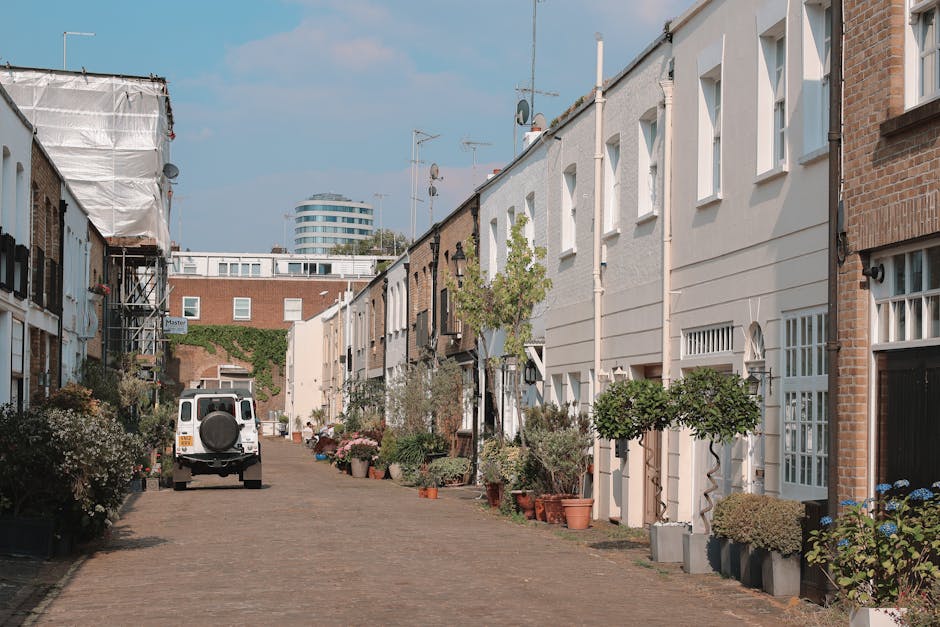
If you have a narrow side passage, a basement courtyard, a shared alley, or a garden that seems to have been designed around a brick wall and a bit of bad luck, you are not alone. Tight access what to know Stoke Newington gardeners is really about one thing: getting outdoor work done safely, efficiently, and without turning your property into a minor obstacle course.
In Stoke Newington, many gardens sit behind terraced homes, period conversions, or tightly packed mews-style layouts. That can make even simple tasks feel awkward. A lawn cut becomes a carry-in, carry-out job. A hedge trim may need carefully planned waste removal. A full clearance? Well, that can become a logistics exercise pretty quickly.
This guide breaks down what tight access actually means, why it matters, how gardeners work around it, and what you should check before booking any work. You will also find practical tips, common mistakes, a comparison table, and a checklist you can use before the first visit. If you want a broader view of what professional garden help can include, the services overview is a useful place to start.
Quick takeaway: the best results come from planning the access first, not the gardening second. That sounds obvious, but in tight spaces it makes all the difference.
Why Tight access what to know Stoke Newington gardeners Matters
Tight access changes almost every part of a garden job. It affects timing, labour, equipment choice, waste handling, safety, and sometimes what is realistically possible in one visit. In a place like Stoke Newington, where gardens can be tucked behind homes or divided by narrow passageways, a standard approach often does not fit. Literally.
Why does that matter so much? Because access problems are rarely just about inconvenience. They can increase the risk of damage to fences, paving, doors, plants, and internal flooring if materials have to be carried through the house. They can also affect the amount of time needed on site, which in turn influences pricing and scheduling. A job that looks small from the outside can become a longer half-day if every bag of waste has to be moved carefully by hand.
There is also a trust element here. When a gardener understands tight access properly, they are less likely to overpromise and more likely to arrive with the right plan. That means fewer surprises for you. And to be fair, most people would rather hear, "We need a bit more time and a different setup," than have someone turn up unprepared with the wrong kit and a hopeful expression.
For local homeowners, landlords, and managing agents, access is especially important because it shapes what maintenance can be done regularly and what may need a one-off clearance first. If you let a small access issue drag on, it often becomes a much bigger one. A gate gets stuck. Waste builds up. Plants spill across the path. Then the tidy-up becomes a project.
How Tight access what to know Stoke Newington gardeners Works
In practice, dealing with tight access starts before any tools come out. A professional gardener will usually want to understand how they will reach the garden, where they can park, whether there is a side return, how wide the passage is, and whether heavy waste needs to come back through the property. Those details shape the work plan.
Typical tight access jobs may involve:
- carrying hand tools and compact equipment through a narrow route
- using smaller bags or loads for green waste
- working in stages rather than all at once
- protecting walls, floors, and edges during movement in and out
- choosing lightweight or cordless tools where appropriate
- planning disposal so the site is not cluttered for long periods
Sometimes the challenge is not the garden itself but the route to it. A small front gate, a shared hallway, a basement stair, or a rear alley can all affect the plan. In other cases, the garden may be easy enough to access but there is no room to manoeuvre large machines. That is where experienced judgement matters. A knowledgeable gardener will look at the whole journey, not just the lawn or hedge waiting at the end of it.
Good access planning is usually a mix of measurement, common sense, and a quick visual check. If a service includes mowing, for example, the team may choose a smaller mower or a different cutting strategy. If clearance is needed, they may break the job into clear sections so waste can be moved out without blocking the whole route. If a tree or larger shrub needs work, a careful dismantling approach may be safer than trying to remove it in one go. For tree-related jobs, a specialist service like tree lopping and removal may be relevant where branches or overgrowth create access issues as well as safety concerns.
One small but important point: tight access work usually goes better when the customer and gardener talk openly about what is behind the gate. A locked shed, a fragile trellis, a cat flap in an odd place, the neighbour's bins in the shared alley... all these little things matter more than people expect.
Key Benefits and Practical Advantages
The obvious benefit of hiring someone who understands tight access is that the work actually gets done. But there is more to it than that. Good access management can protect the condition of your property, save time, and reduce the chance of awkward mid-job decisions.
Here are the main advantages:
- Less risk of damage: Careful movement reduces scuffs on floors, chips to paintwork, and accidental knock-on damage to fences or pots.
- Better time planning: A gardener who knows access constraints can estimate the visit more honestly.
- Cleaner finish: When waste removal is planned properly, you do not end up with bags sitting around all afternoon.
- Improved safety: Narrow routes, steps, and uneven paving are easier to manage when the work method is set in advance.
- More realistic service choices: Some tasks, like clearance or hedge work, may need a different approach in tight spaces; knowing this early avoids disappointment.
There is also a subtle benefit that often gets missed: peace of mind. If you live in a home where every movement feels choreographed, having a team who can work calmly in confined spaces is genuinely reassuring. You hear fewer thuds, fewer "sorry about that" moments, and a lot less shuffling back and forth.
For recurring jobs, tight access knowledge can make regular garden maintenance much easier. A fixed routine with the right tools and the right entry point means less stress every visit. Services such as garden maintenance are often where this long-term planning really pays off.
Who This Is For and When It Makes Sense
Tight access considerations matter for more people than you might think. It is not only a "tiny garden" issue. Plenty of medium-sized gardens become difficult simply because the route in and out is awkward.
This matters if you are:
- a homeowner with a rear garden behind a terraced house
- a landlord trying to keep a rental property presentable between tenancies
- a flat owner with a shared or basement garden
- a property manager arranging regular upkeep on a constrained site
- someone dealing with an overgrown garden that now needs clearance before normal care can resume
It makes sense to raise access concerns as soon as you know a job may be awkward. That is especially true if you need heavy work such as overgrowth cut-back, waste removal, or full garden tidying. If the space has become cluttered, a garden clearance service may be the most practical first step before ongoing maintenance begins.
It also makes sense if you have recently moved into a property and do not yet know the layout well. Many people assume the side passage is wide enough until they try to wheel a bag of cuttings through it. Then reality arrives, usually with a slightly soggy boot and a hedge trimmer in hand.
Step-by-Step Guidance
If you are planning work in a tight access garden, a clear sequence helps. Here is the simplest way to approach it.
- Walk the access route first. Check gates, steps, narrow paths, side passages, hallways, and any surfaces that might need protection.
- Measure the pinch points. Even rough measurements are useful. Width, height, turning space, and step depth can all matter.
- Identify what must pass through. Tools, mowers, bags of cuttings, soil, timber, and larger waste all need different handling.
- Flag any fragile areas. Fresh paint, glazed doors, delicate edging, or loose paving should be mentioned before the job starts.
- Choose the right service scope. Some jobs need maintenance only, others need clearance first, and some may require landscaping changes to improve access later.
- Ask how waste will be removed. This is one of the biggest practical differences between straightforward and difficult jobs.
- Confirm safety and timing. A job that looks like two hours on paper may need longer if access is tight and movement must be slower.
If you are considering broader improvements, it can be useful to think beyond the immediate tidy-up. Sometimes a garden layout is making life harder than it needs to be. Minor landscaping tweaks, better path positioning, or a more practical storage spot can make future maintenance far easier. That is where landscaping or landscape gardening can be more than cosmetic.
One useful habit: take a couple of photos before booking. Nothing fancy. Just a few honest images of the gate, route, and main problem areas. It helps everyone. And yes, it saves that slightly awkward back-and-forth where somebody says, "Oh, it's not that narrow," and then stands in the doorway looking surprised.
Expert Tips for Better Results
In tight access gardens, small decisions make a big difference. Experienced gardeners tend to work with the site rather than fighting it. That sounds simple, but it is the difference between a smooth visit and a day full of detours.
Some practical tips:
- Use smaller, lighter loads. Moving waste in smaller batches is slower, but often safer and cleaner.
- Protect the route. A simple covering or careful walking pattern can save a lot of wear on floors and thresholds.
- Keep the access path clear before arrival. Bins, bikes, folding chairs, toys, and plant pots all eat space.
- Choose cordless or compact tools where possible. They are often easier to carry and use in confined areas.
- Work top-down in stages. For overgrown spaces, clear the highest or most intrusive growth first so movement becomes easier.
- Leave room for the exit. It sounds obvious, but a path that is clear at the start can become blocked once cuttings and bags begin to accumulate.
Another tip that helps more than people expect: agree on what "finished" looks like. In a tight space, the final stage is often not just cutting or pruning but restoring the route, sweeping away debris, and removing anything that could trip someone. A tidy garden is one thing; a tidy access route is the thing that makes the garden feel usable again.
Expert summary: the best tight access jobs are usually won by planning, not brute force. Small loads, protected routes, clear communication, and realistic timings are the formula. Simple, but not always easy.
Common Mistakes to Avoid
Most access problems are manageable. The trouble starts when people assume they are not problems at all. Here are the mistakes that cause the most headaches.
- Not mentioning the access issue early. If the route is narrow, say so. A lot of hassle disappears when the gardener knows in advance.
- Underestimating waste volume. A light prune can still generate a surprising amount of debris, especially after rain or in spring growth.
- Forgetting about turning space. A route may be wide enough in a straight line, but impossible to turn equipment through.
- Ignoring floor or wall protection. Tight access often means repeated contact with surfaces unless care is planned.
- Booking the wrong type of service first. A maintenance visit may not be enough if the garden needs a proper clearance before anything else.
- Assuming every machine will fit. Some equipment simply is not suitable for cramped or delicate routes.
One more mistake, and it is a common one: asking for the cheapest option and hoping access magically solves itself. It rarely does. Budget matters, of course, but a job that is under-scoped from the start can become more expensive when it has to be revisited. No one enjoys paying twice. Especially not on a rainy Tuesday when the driveway already looks like a small swamp.
If pricing is part of your decision, it is worth looking at pricing and quotes so you can compare the likely scope rather than just the headline figure.
Tools, Resources and Recommendations
Tight access work often depends on the right kit rather than the biggest kit. In many Stoke Newington gardens, compact and versatile tools are more useful than heavy machinery.
Commonly useful tools and resources include:
- compact hand tools for trimming, edging, and shaping
- lightweight bags or containers for green waste
- small hand trolleys where the route allows
- cordless cutters and mowers suitable for enclosed gardens
- protective sheets or coverings for surfaces that need safeguarding
- secure storage for tools during jobs where space is limited
But tools alone do not solve the problem. Good organisation matters more. A sensible sequence, a clear route, and a realistic workload usually beat fancy kit. The other thing worth thinking about is what happens to the waste after collection. If sustainability matters to you, ask how green waste is sorted and handled. A responsible approach to disposal and reuse can be part of the job, not an afterthought. The site's recycling and sustainability page is a helpful reference for that broader mindset.
For customers who want to understand the business behind the service as well as the work itself, the about us page can provide context on how the team approaches local garden care. That sort of background is often useful when you are deciding who to trust with a difficult access job.
Law, Compliance, Standards, or Best Practice
For garden work in tight access settings, the main concern is usually not a complicated legal rulebook but safe, sensible working practice. Still, there are important responsibilities to keep in mind. Gardeners and clients both benefit from clear communication, careful handling of tools, and respect for property boundaries and shared access arrangements.
Good practice usually includes:
- carrying out work in a way that avoids avoidable damage
- using suitable equipment for the site conditions
- being cautious on steps, slopes, and narrow passages
- keeping routes as clear and safe as reasonably possible
- being clear about who is responsible for access, keys, and any shared entry points
If you are hiring a team, it is sensible to ask about insurance and safety arrangements. That does not need to be dramatic or overly formal. It is just sensible. In a cramped space, a small slip can matter more than usual, so you want to know that the team works carefully and has proper cover in place. The insurance and safety page is relevant here, as is the health and safety policy for a clearer sense of working standards.
It is also worth understanding the basic terms and conditions of any service before work begins. This helps avoid confusion over access, cancellation, timing, and site-specific requirements. The terms and conditions page exists for exactly that sort of clarity. No one loves reading it, let's be honest, but it can save a headache later.
Options, Methods, or Comparison Table
Not every tight access garden needs the same approach. Sometimes a simple maintenance visit is enough. Sometimes you need clearance first. Sometimes the layout suggests a longer-term landscaping fix. Here is a practical comparison.
| Approach | Best for | Strengths | Limitations |
|---|---|---|---|
| Regular garden maintenance | Gardens that are already in decent shape but awkward to reach | Keeps growth under control, easier to budget, predictable visits | May not be enough for severe overgrowth or clutter |
| Garden clearance | Overgrown or heavily cluttered spaces with poor movement | Removes bulk fast, restores usable access | Can be more labour-heavy and may need follow-up care |
| Targeted hedge and shrub work | Spaces blocked by overhanging or dense planting | Improves light, movement, and visibility | May need recurring upkeep if growth is vigorous |
| Landscaping adjustments | Gardens where the layout itself is causing access issues | Can improve long-term usability and future maintenance | Usually more involved and may take longer to plan |
Where hedges, boundary shrubs, or privacy screening are making access worse than necessary, a dedicated hedge trimming service can be a smart middle ground. It is often the quickest way to reclaim a path without jumping straight to a full redesign.
If you are uncertain which route to take, ask yourself: do I need the garden tidied, or do I need the route into the garden improved too? That question usually points you in the right direction.
Case Study or Real-World Example
Here is a realistic example from the kind of work that comes up often in Stoke Newington. A rear garden behind a terraced property had become difficult to maintain because the side access was narrow, the path was uneven, and the gate opened only partway before catching on a planter. The garden itself was not huge, but routine care had slipped because every visit felt like hard work before the work even began.
The solution was not dramatic. First, the overgrowth near the entry point was cut back so the route could be used safely. Then the waste was removed in smaller loads rather than trying to move everything at once. After that, the team worked through the main beds, lawn edges, and the most awkward corners in sequence, keeping the access route open throughout.
The important bit was the order. Not the speed. Not the tools. The order.
Once the space was under control, the homeowner could see which parts of the layout were making life harder than they needed to be. A small adjustment to planting and edging made future access easier, and the next maintenance visit took far less time. That is usually how these jobs improve in real life: a bit of clearance, a bit of planning, then a calmer routine after that.
Truth be told, this kind of job often feels more satisfying than a big open-space tidy. You can see the difference immediately. The garden breathes again.
Practical Checklist
Use this checklist before arranging work in a tight access garden. It is simple, but it saves a lot of back-and-forth.
- Have I clearly described the route into the garden?
- Do I know whether the gate, hallway, or side passage is wide enough for tools and waste bags?
- Have I mentioned stairs, slopes, or uneven paving?
- Are there fragile surfaces, paintwork, or decorative features that need protection?
- Have I said whether the job is maintenance, clearance, trimming, or a mix?
- Do I know where waste will be stored temporarily and how it will leave the site?
- Have I checked whether the garden needs access improvements before ongoing upkeep?
- Am I expecting the work to take a little longer than a straightforward open-access visit?
- Have I asked about insurance and safety practices?
- Do I have a couple of photos ready if the access layout is hard to explain?
Practical note: if you are not sure about any of the above, that is fine. Better to ask now than to discover the issue when a mower is halfway through the gate and everyone is pretending this is normal.
Conclusion
Tight access work is really about understanding the site properly before trying to solve it. In Stoke Newington, where gardens are often tucked behind homes, divided by narrow routes, or shaped by old boundaries, that understanding matters a lot. The good news is that tight access does not have to mean difficult results. With the right planning, the right tools, and the right expectations, even awkward gardens can be kept tidy, safe, and genuinely usable.
If you remember one thing, make it this: describe the access clearly, choose the right scope of work, and treat the route as part of the job, not an afterthought. That small shift changes everything. And it usually makes the whole experience calmer too, which is no bad thing.
If you are comparing options or planning a first visit, take a look at the pricing and quotes information and the broader services overview to help you decide what makes sense for your garden.
Get a free quote today and see how much you can save.
Sometimes the smallest gate leads to the nicest surprise.
Frequently Asked Questions
What does tight access mean for garden work?
Tight access means the route into or around a garden is narrow, awkward, or restricted in a way that affects how tools, waste, and equipment can be moved. It might involve side passages, basement stairs, shared entrances, or compact courtyards.
Why do Stoke Newington gardens often have access issues?
Many homes in Stoke Newington are terraced, converted, or built on plots where the garden sits behind the property rather than beside it. That layout can leave little room for carrying equipment in and out, especially when the garden is overgrown or cluttered.
Can a gardener still work in a very narrow garden?
Usually, yes, but the work method may need to change. A gardener may use smaller tools, lighter waste loads, or a different sequence of tasks. In some cases, a clearance visit is needed first so the area becomes workable again.
Is tight access more expensive?
It can be, because jobs often take longer and require more careful handling. The exact cost depends on the site, the type of work, waste volume, and how much manual carrying is involved. A clear quote is the best way to judge it properly.
Should I clear the route before the gardeners arrive?
Yes, if you can do so safely. Moving bins, bikes, plant pots, and other loose items out of the access path can save time and reduce the chance of damage. It also helps the team start work smoothly.
What if the access path is through my house?
That is common in some properties. In that case, it is especially important to protect floors, edges, and doorways. You should also tell the gardener in advance so they can plan the safest route and decide whether extra protection is needed.
Do I need garden clearance before regular maintenance?
If the garden has become heavily overgrown or cluttered, clearance first is often the better choice. Once the space is manageable, regular maintenance becomes much easier and usually more cost-effective over time.
What kind of tools work best in tight spaces?
Compact hand tools, cordless equipment, and lighter waste bags are often best. The goal is not to use the biggest machine available; it is to use tools that can move safely through the space without causing damage or delays.
How do I know if landscaping could help with access?
If the garden layout itself makes movement difficult, landscaping changes may help. For example, a better path layout, revised edging, or improved storage placement can make future maintenance much easier. It is worth discussing if the same problem keeps coming back.
What should I tell the gardener before booking?
Tell them about the route into the garden, any narrow points, steps, shared areas, fragile surfaces, and the type of work you need. Photos are very helpful too. The more honest the description, the better the plan.
How long does a tight access job usually take?
It depends on the task and the layout. A small tidy-up may not take much longer than normal, but clearance or heavier maintenance can take extra time because movement is slower and waste handling is more involved.
Is insurance important for tight access garden work?
Yes. In confined spaces, careful handling matters even more, and insurance and safety arrangements give you added peace of mind. It is sensible to ask about these before work starts, especially if access is through shared or delicate areas.